

5 Essential Books Every Professional Developer Must Read
In an industry that evolves at lightning speed, professional developers often struggle to keep up with new frameworks, languages, and best practices. Yet the most successful engineers share a secret: they build their careers on timeless principles. While tutorials and documentation teach you how to code, the right books teach you how to think like an exceptional developer. This curated list of five essential books will sharpen your problem-solving skills, deepen your understanding of software design, and help you write code that stands the test of time.
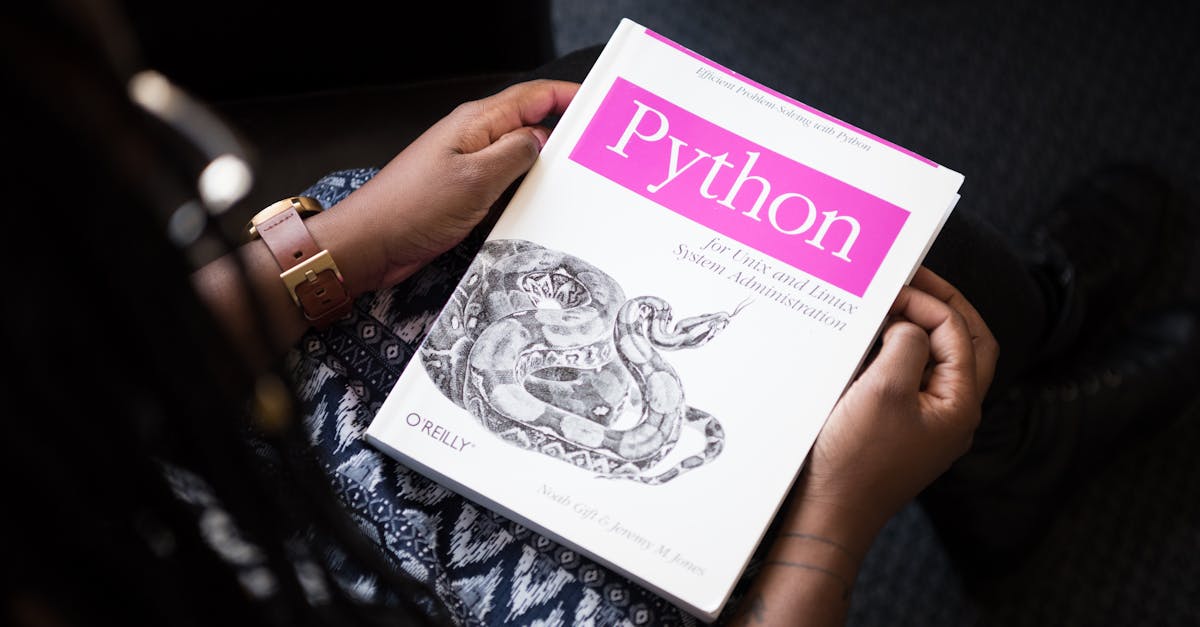
1. "Clean Code: A Handbook of Agile Software Craftsmanship" by Robert C. Martin
Often called the developer's bible, Clean Code transforms how you approach programming by emphasizing readability and maintainability. Martin's principles—like meaningful naming, small functions, and proper error handling—aren't just theoretical; they're battle-tested rules from decades of professional experience. What sets this book apart is its practical focus: each chapter includes code examples (in Java) that demonstrate both bad and good implementations. Whether you're a junior developer or a seasoned architect, you'll find yourself referencing this book throughout your career. Pro tip: Pair it with Martin's "Clean Architecture" for a complete understanding of software design at all levels.
2. "Design Patterns: Elements of Reusable Object-Oriented Software" by Erich Gamma et al.
The famous "Gang of Four" book remains the definitive guide to design patterns more than two decades after its release. This isn't a book you read cover-to-cover; it's a reference you'll return to whenever you face complex design challenges. The 23 classic patterns (like Factory, Observer, and Strategy) provide solutions to common problems in object-oriented design. While the examples use C++ and Smalltalk, the concepts apply to any OOP language. Many developers make the mistake of trying to force patterns where they don't belong—this book teaches you when and why to use each pattern, not just how.

3. "The Pragmatic Programmer: Your Journey to Mastery" by Andrew Hunt and David Thomas
First published in 1999 and updated in 2019, The Pragmatic Programmer distills decades of collective wisdom into practical advice for developers at any stage. The book's 50+ tips cover everything from debugging strategies to career development, all presented in an engaging, conversational style. Standout concepts include:
- The DRY (Don't Repeat Yourself) principle
- How to create flexible, adaptable code
- Effective debugging techniques
- The importance of lifelong learning
Unlike many technical books, this one addresses the human side of programming—how to communicate with teams, estimate projects realistically, and avoid common career pitfalls. It's the kind of book that changes how you think about your work.
4. "Code Complete: A Practical Handbook of Software Construction" by Steve McConnell
Where Clean Code focuses on style, Code Complete dives deep into the construction of software. McConnell's 900-page masterpiece covers everything from variable naming to system architecture with remarkable depth. The book's strength lies in its research-backed approach: McConnell cites hundreds of studies to support his recommendations. Key topics include:
- How to design classes and routines effectively
- Defensive programming techniques
- Code tuning and optimization strategies
- Managing construction projects
While some examples feel dated (the second edition was published in 2004), the fundamental principles remain relevant. This is the book to read when you're ready to move beyond "making code work" to "building high-quality software."
5. "You Don't Know JS" (book series) by Kyle Simpson
For developers working with JavaScript, Kyle Simpson's series is indispensable. Unlike many JS books that focus on frameworks, You Don't Know JS teaches the language itself at a deep level. The series covers:
- Scope and closures
thisand object prototypes- Types and coercion
- Async and performance
- ES6 and beyond
Simpson's ability to explain complex concepts clearly makes this series valuable for both beginners and experienced developers. The books are available for free online, but the physical copies are worth owning for reference. For those working heavily with JavaScript, this series will fundamentally change how you write and debug code.
How to Get the Most From These Books
Reading these books won't automatically make you a better developer—you need to apply what you learn. Here's how to maximize their impact:
- Take notes on key concepts and revisit them regularly
- Apply principles to your current projects immediately
- Join study groups to discuss ideas with peers
- Re-read important sections as your experience grows
- Combine theory with practice by working on side projects
Remember that reading one book won't transform your career overnight. The most successful developers treat learning as a continuous process, revisiting these foundational texts throughout their careers.
Building Your Developer Library
These five books form the core of a professional developer's library, but your reading shouldn't stop here. As you progress in your career, consider adding specialized texts like:
- "Refactoring" by Martin Fowler (for improving existing code)
- "Domain-Driven Design" by Eric Evans (for complex business applications)
- "The Mythical Man-Month" by Frederick Brooks (for project management insights)
- "Working Effectively with Legacy Code" by Michael Feathers
The best developers never stop learning. By mastering the principles in these essential books, you'll build a foundation that allows you to adapt to new technologies with confidence. Start with one book that addresses your current challenges, then gradually work through the others. Your future self—and your future code—will thank you.
